
Sports Injury Physiotherapy in Weybridge & Woking
Expert assessment, treatment and return-to-sport rehabilitation from physios with genuine elite and amateur sporting experience — no GP referral needed.

A sports injury doesn't just interrupt training - it can put a season, a goal, or simply your weekend five-a-side on hold. Whether you've gone over on an ankle at Sunday league, torn something mid-sprint, or you're working your way back from surgery, you need a team that understands the demands of your sport, not just the injury on the scan.
That's exactly what you get at Trinity Physiotherapy. Our physios have worked pitch-side with professional and semi-professional clubs, and competed themselves at national level - so whether you're an elite athlete or a weekend warrior, your rehab is built around getting you back to competing, not just getting you out of pain.
The sports injuries we see most often in clinic
Sports injuries are one of the most common reasons people come to see us, and they sit at the heart of our wider MSK physiotherapy and sports injury service - whatever your sport, and whatever level you play it at.
A team who have lived the demands of sport, not just studied them
Anyone can read a scan. Understanding what it takes to get back on the pitch, court or start line comes from having been there yourself. Every physio at Trinity brings genuine sporting experience to your rehab, from grassroots to national and professional level.




Acute injury or slow-building overload — the approach is different
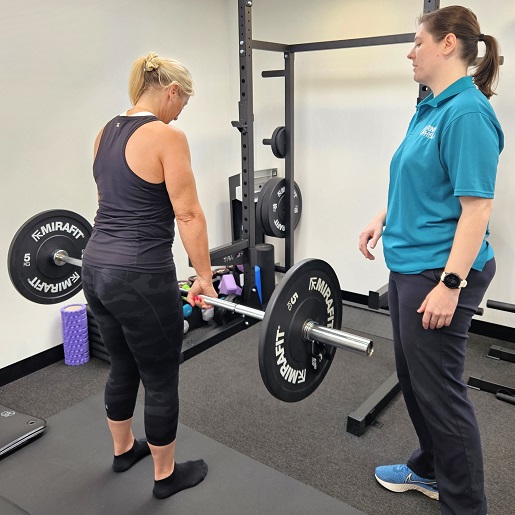
Sports injuries broadly fall into two camps. There's the acute injury - the moment you go over on an ankle, feel a muscle "go", or come off worse in a tackle - where you know exactly when it happened. Then there's the injury that builds gradually, as training load, technique or recovery time slowly tip out of balance, until one day it's too painful to ignore.
Both need a proper diagnosis before we can build an effective plan. For an acute injury, that means confirming exactly what's been damaged and how significant it is. For an overload injury, it means understanding the training, technique or workload changes that got you here, so we're not just calming symptoms down before they flare up again the moment you're back out training.
Your injury and recovery may be influenced by factors such as:
- The mechanism of injury - a direct impact, a twist, or a sudden change of direction
- A rapid increase in training volume or intensity
- Strength, mobility or control deficits specific to your sport
- How much time you have before your next fixture, event or season
Whichever camp your injury falls into, our aim is the same: an accurate diagnosis, a plan you understand, and a genuinely honest timeline for getting back to your sport.
How can physiotherapy help with sports injuries?
Getting an athlete back safely is about more than settling pain - it's a staged process of restoring movement, rebuilding strength and capacity, and proving readiness before you're cleared to return.
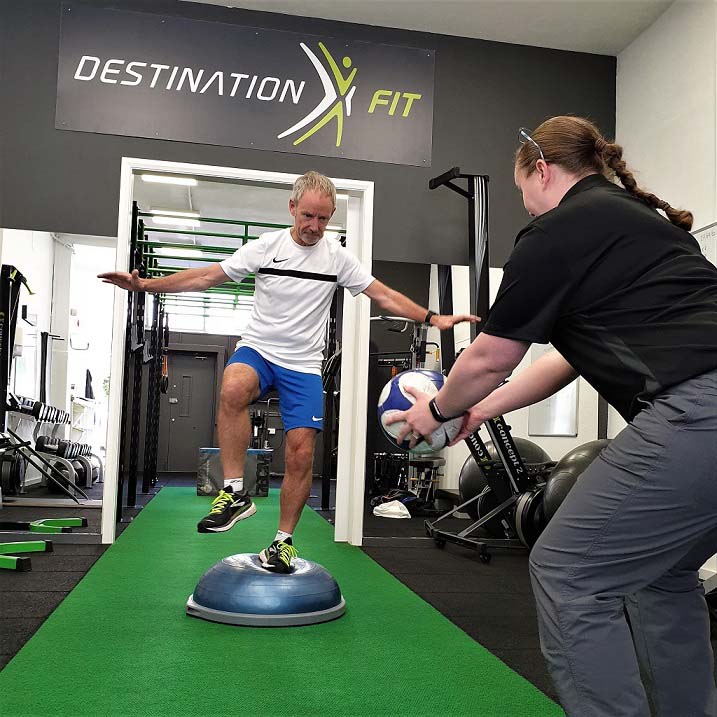
Once we've confirmed what's driving your injury, our focus turns to rebuilding it properly - restoring full movement, driving strength and power back up to the level your sport demands, and proving your readiness with objective testing, not guesswork, before you return to training or competition.
What might your treatment involve?
Once we've completed your assessment, we'll put together a combination of treatments suited to your injury and your sport, which may include:
- Manual and soft tissue therapy: hands-on treatment to ease pain and stiffness in the early stages, alongside your rehab programme.
- Staged strength and rehabilitation programmes: progressive loading to rebuild strength, power and resilience through the injured area.
- Sport-specific rehabilitation: exercises and drills that reflect the actual demands of your sport, not a generic gym circuit.
- Return-to-sport testing: objective strength, hop and movement testing to confirm you're genuinely ready before you're cleared to play again.
- Injury prevention movement screening and pre-season assessment: available as part of our Physio Wellness MOT, identifying strength, mobility or control gaps before they become injuries.
- Taping and bracing advice: to support a joint during a phased return to training or competition, without holding back your rehab.
- Sports massage: used alongside your rehab programme to ease soft tissue tension, support recovery and complement your training — see our sports massage options.
- Fitness & rehab classes: small-group, physio-led sessions to help you maintain strength and keep progressing once your 1:1 sessions have finished — find out more about our classes.
Whatever level you play at, the plan we build with you is about more than getting you pain-free - it's there to get you back to full training and competition with confidence, and to help reduce the risk of it happening again.
Sports Injury FAQs
How soon after a sports injury should I see a physiotherapist?
As soon as you reasonably can. An early assessment helps us confirm what's actually injured, rule out anything that needs urgent onward referral, and get the right management started from day one, which often makes a real difference to how quickly and completely you recover.
Do I need a scan before starting physiotherapy for a sports injury?
Not usually. Most sports injuries can be assessed and diagnosed clinically. If we feel imaging or a specialist opinion is needed, for example following a significant ligament or tendon injury, we'll refer you promptly, but in most cases we can get your rehabilitation started straight away.
When can I return to sport after an ACL or major ligament injury?
It varies significantly between individuals and depends on the injury, whether surgery was involved, and how your rehabilitation progresses. Rather than working to a fixed timeframe, we use staged strength and function testing to confirm you're genuinely ready, which is a far more reliable indicator than time alone.
Can physiotherapy help prevent injuries, not just treat them?
Yes. Alongside treating current injuries, we work with athletes on movement screening, strength and conditioning gaps, and training load, to reduce the risk of both first-time injuries and repeat ones.
I've had a concussion — can physiotherapy help me return to play safely?
Yes, physiotherapy has an important role in a graduated return-to-play process following concussion, alongside appropriate medical clearance. We can support the physical stages of that pathway and work alongside your GP or sports physician as needed.
Do I need a referral for sports injury physiotherapy?
No. You can book directly with Trinity Physiotherapy without a GP or consultant referral. If your injury needs further medical input, imaging or surgical opinion, we'll guide you to the right place quickly.
Get Back In The Game
Whether it's a fresh injury from the weekend's match, a niggle that keeps recurring, or you're working your way back from surgery, our team is here to help with expert assessment and a rehab plan built around your sport. No GP referral needed — most patients are seen within days.