Post-Operative Physiotherapy in Weybridge & Woking
Structured, expert-led rehabilitation after orthopaedic surgery — from your first steps to a full return to the activities you love. No GP referral needed.
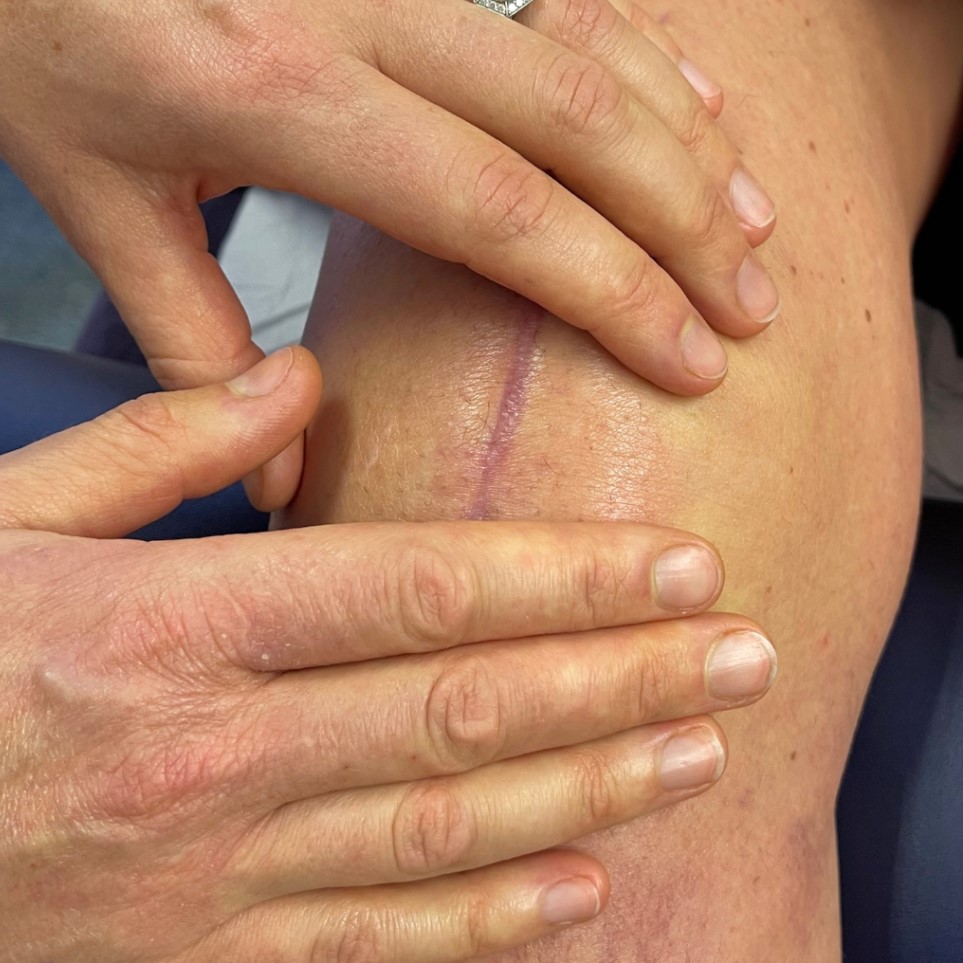
Surgery can fix a joint, a ligament or a disc - but it's the months that follow that determine whether you get back to walking, working, playing sport or simply moving without worry. Rushed or generic rehab can leave people stiff, weak or lacking confidence, while the right programme, started at the right time, makes an enormous difference to how well and how quickly you recover.
At Trinity Physiotherapy, post-operative rehabilitation is one of the things we're most experienced in. We work to your surgeon's protocol, in fully-equipped rehab gyms across three Surrey clinics, with a team who have supported hundreds of patients through joint replacement, ligament reconstruction and spinal surgery recovery.
We also see many patients before their operation for prehabilitation, helping you go into surgery stronger, fitter and better prepared, which can make a real difference to how smoothly your recovery goes afterwards.
We support rehabilitation after a wide range of orthopaedic and surgical procedures
Post-operative rehabilitation is a core part of our MSK physiotherapy and sports injury service. If your surgery followed a cancer diagnosis, our specialist oncology physiotherapy and cancer rehabilitation team can also support your recovery, and our scar therapy service is available for any post-surgical scar, orthopaedic or otherwise.
Why does structured rehab matter so much after surgery?
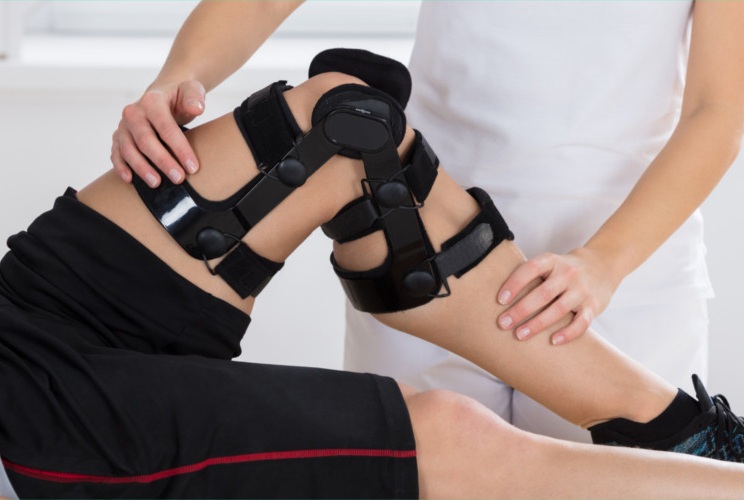
Every operation comes with its own healing timescale, precautions and rehabilitation protocol - what's right after a total knee replacement is very different from what's right after an ACL reconstruction or a spinal decompression. Without the right guidance, it's easy to either do too much too soon, or too little for too long, and both can slow your recovery.
As part of your assessment, we'll look at your surgery, your surgeon's specific protocol, your pre-operative fitness and any other health factors - including previous or ongoing cancer treatment - that might influence your rehabilitation. Understanding that full picture helps us pace your programme correctly from day one.
Recovery is often influenced by factors such as:
- The specific procedure, surgical approach and your surgeon's protocol
- Your strength and fitness going into surgery
- How well swelling, pain and scar tissue are managed early on
- Confidence with movement, balance and load-bearing as you progress
- Other health factors, including fatigue from cancer treatment where relevant
How can physiotherapy help after surgery?
There's no single approach that fits every operation - a hip replacement, an ACL reconstruction and a spinal decompression all need a different emphasis - but protecting your repair early on, then progressively rebuilding movement, strength, control and confidence, runs through almost every post-operative plan.
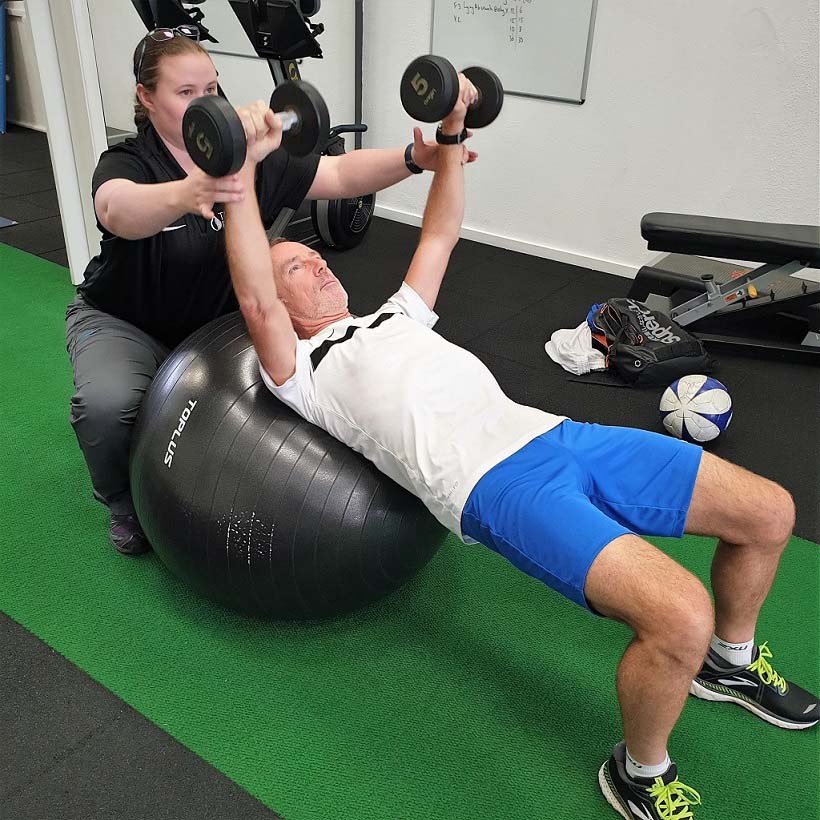
Once we understand your surgery and protocol, our focus shifts to guiding you safely through each stage of healing - managing swelling and scar tissue early on, then progressively rebuilding strength, movement and confidence until you're ready to return to daily life, work, driving or sport.
What might your treatment involve?
Once we've completed your post-operative assessment, we'll put together a combination of treatments suited to your surgery and stage of recovery, which may include:
- Early-stage guidance and manual therapy: managing pain, swelling and stiffness in the days and weeks after surgery.
- Protocol-informed, milestone-driven rehabilitation: respecting any precautions and timelines set by your surgeon, while progressing your rehabilitation according to your strength, movement and function — not simply the calendar.
- Progressive strength and loading: in our fully-equipped rehab gyms, building capacity through each stage as your tissue tolerates it.
- Gait, balance and movement re-education: particularly important after hip, knee and spinal surgery.
- Scar and soft tissue management: supporting comfort, mobility and healing around any post-surgical scar - see our scar therapy service.
- Oncology-aware rehabilitation: for those recovering from cancer-related surgery, pacing your programme around fatigue and energy levels alongside our oncology physiotherapy service.
Wherever you are in your recovery, the plan we build with you is about more than getting through the early weeks - it's there to help you rebuild properly and get back to the life, work and activities that matter to you.
Why should Trinity Physiotherapy lead your post-operative recovery?
Recovering well from surgery takes more than a generic exercise sheet. It takes experienced clinicians, the right equipment, and a plan built around your specific procedure and goals.
- Physiotherapists with a minimum of 15 years' experience, including extensive post-surgical rehabilitation
- Direct access — no GP referral needed, and no lengthy waiting list
- Appointments available within days, so rehab can start when it matters most
- Experience working to protocols from orthopaedic surgeons and hospitals across Surrey
- Access to fully-equipped rehab gyms, not just a treatment couch, across all three clinics
- 1:1 sessions and small-group rehab classes to suit your stage of recovery
We support recovery from:
These are the procedures we're asked about most often, but we support rehabilitation after most orthopaedic and general surgical procedures, including complex or less common operations. If you don't see yours listed, get in touch — we're very likely able to help.
Supporting patients recovering from surgery across Weybridge, Woking and the surrounding areas.
Post-Operative Physiotherapy FAQs
When should I start physiotherapy after my operation?
Often sooner than people expect. Many surgeons want gentle, guided movement to begin within days of surgery, as early mobilisation reduces stiffness, swelling and muscle loss. We follow your surgeon's specific protocol and can usually see you very soon after you're discharged.
Do you follow my surgeon's rehabilitation protocol?
Yes. We're experienced working to the protocols used by orthopaedic surgeons and hospitals across Surrey, and we tailor your rehabilitation to any weight-bearing restrictions, precautions or milestones set out for your specific procedure.
I've had a hip or knee replacement — how long until I'm back to normal?
Most people make excellent progress within three to six months of a hip or knee replacement, although this varies with age, fitness and general health. We track your progress against function and strength milestones rather than a fixed calendar, so your plan reflects how you're actually recovering.
What about ACL reconstruction or meniscal repair — can I get back to sport?
In most cases, yes. ACL reconstruction and meniscal repair follow a staged, criteria-based rehabilitation programme building strength, control and confidence, with objective strength and hop testing used to confirm you're genuinely ready before returning to sport.
Can you help with the scar from my operation?
Yes. Our team offers specialist scar therapy for scars from any surgery, orthopaedic or oncology, helping to improve mobility, reduce sensitivity and support both function and appearance as the tissue heals.
Do you support people recovering from cancer-related surgery?
Yes. Alongside our orthopaedic post-operative work, our oncology physiotherapy service supports people recovering from cancer-related surgery, taking fatigue, energy levels and any surgical precautions into account throughout your rehabilitation.
Do I need a referral for post-operative physiotherapy?
No. You can book directly with Trinity Physiotherapy without a GP or consultant referral, and we're happy to liaise with your surgical team where that's helpful for your recovery.
Take the Next Step After Surgery
Whether you're preparing for an operation or newly out of theatre, our team is here to guide your post-operative recovery with expert, protocol-led rehabilitation. No GP referral needed — most patients are seen within days.