
Knee Pain Physiotherapy in Weybridge & Woking
Expert assessment and treatment for knee pain and injuries — no GP referral needed.
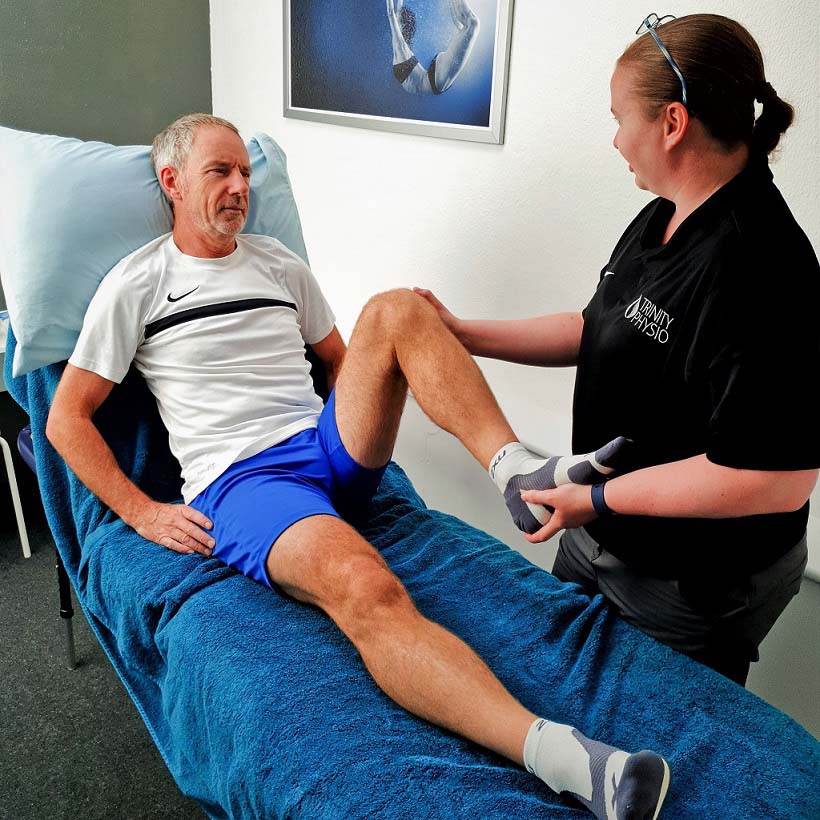
Knee pain can affect the simplest of things - walking, kneeling, climbing stairs, or getting out of a chair - as well as the sport or training you love. Whether it came on suddenly with an injury or has built up gradually over time, it can be frustrating not knowing what's going on or what to do about it.
At Trinity Physiotherapy, we build your treatment plan around your goals, not a generic exercise sheet - whether that's getting back to running, returning to sport, or simply moving without worry again.
We help people with a wide range of knee-related problems
Knee pain is one of the most common conditions we treat as part of our MSK physiotherapy and sports injury service, alongside joint, muscle and tendon problems elsewhere in the body.
Why does my knee hurt?
Knee pain is rarely caused by just one thing. It's often the result of how load is being managed across your hip, knee, ankle and the muscles that control them - shaped by your training, your activity levels and how your body is coping with the demands placed on it.
As part of your assessment, we'll look at how your knee pain connects to what you actually do - your sport, your training load, your footwear, or the specific incident that first set it off. Understanding that context helps us build a plan that targets the real cause, not just the symptoms.
Your symptoms may be influenced by factors such as:
- How your knee is coping with training or day-to-day loads
- Strength and control through the hip, knee and ankle
- Recent changes in activity, footwear or playing surface
- Previous injury, surgery or swelling around the joint
The important thing to know is that most knee pain responds well to the right rehabilitation, whether you're managing a niggling ache or recovering from a significant injury or surgery.
How can physiotherapy help with knee pain?
There's no single fix for knee pain - a meniscal tear, patellofemoral pain and osteoarthritis all need a different emphasis - but building strength, control and confidence in movement runs through almost every knee rehabilitation plan.
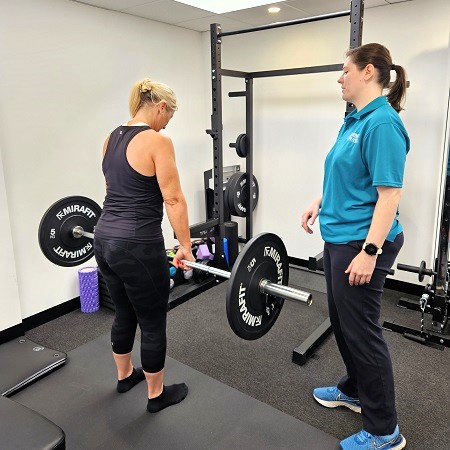
Once we've worked out what's driving your symptoms, our focus shifts to building the strength and control your knee, hip and ankle need, restoring your confidence in movement, and - where relevant - guiding a structured return to training or sport.
What might your treatment involve?
Once we've completed your assessment, we'll put together a combination of treatments suited to your knee, which may include:
- Manual and soft tissue therapy: hands-on treatment to ease pain and swelling, particularly useful in the early stages after injury or a flare-up.
- Progressive strengthening: for the muscles supporting your knee, hip and ankle, built up in stages as your knee tolerates load.
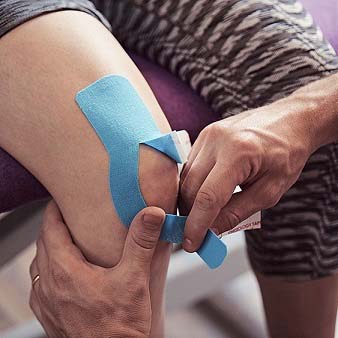
- Taping and bracing advice: to ease symptoms such as patellofemoral pain or fat pad impingement while you build strength underneath.
- Load management and technique advice: addressing training, footwear or playing surface where these are contributing to conditions like ITBS or patella tendinopathy.
- Criteria-based return to sport: guided by your strength and function, not just the calendar.
- Staged post-surgical rehabilitation: following procedures such as ACL reconstruction, meniscal repair or total knee replacement.
Wherever you're starting from, the plan we build with you is about more than settling today's pain - it's there to help you understand your knee, build it back up properly, and get you back to running, training or simply moving without worry again.
Knee Pain FAQs
Should I rest my knee or keep moving?
Complete rest is rarely the best approach. Gentle, appropriate movement usually helps knee pain settle and recover, while prolonged rest can lead to stiffness and loss of strength. We'll guide you on the right level of activity for your stage of recovery.
Is it safe to exercise with knee pain?
In most cases, yes. Strengthening exercise is one of the most effective treatments for knee pain, but it needs to be matched to your symptoms, your diagnosis and your goals, which is why a proper assessment matters.
I've torn my meniscus or knee ligament — do I need surgery?
Not always. Many meniscal and ligament injuries respond well to structured physiotherapy rehabilitation, and evidence shows this can be as effective as surgery for some injuries. Where surgery is needed, physiotherapy plays a key role before and after the procedure.
Why does my knee feel unstable or keep giving way?
A feeling of instability is often linked to reduced strength or control around the knee, hip and ankle rather than structural damage alone. Physiotherapy can help identify the cause and build the strength and control needed for confident movement.
How long will it take for my knee pain to improve?
This depends on the cause of your pain and how long you've had it. Many people notice improvements within a few weeks of starting the right rehabilitation programme, while post-surgical or complex injuries can take longer.
Do I need a referral for knee pain physiotherapy?
No. You can book directly with Trinity Physiotherapy without a GP or consultant referral. If we feel further medical assessment or imaging is needed, we will guide you appropriately.
Take the Next Step Beyond Knee Pain
If you're dealing with knee pain, whether it's a nagging niggle, a new injury or recovery after surgery, our team is here to help with expert assessment and personalised treatment. No GP referral needed — most patients are seen within days.