Physiotherapy After Breast Cancer Surgery in Weybridge & Woking
Specialist physiotherapy to help you move comfortably, regain strength and recover with confidence after breast cancer surgery.
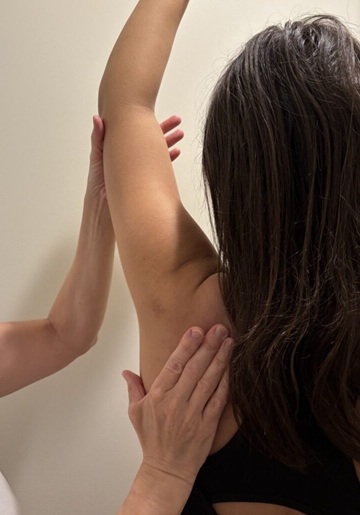
Breast cancer surgery can affect much more than the area that has been operated on. You may notice tightness across your chest or under your arm, reduced shoulder movement, weakness, scar sensitivity or simply feel unsure about what you should — and shouldn't — be doing.
Whether you've had a lumpectomy, mastectomy or breast reconstruction, physiotherapy can help you manage the physical effects of treatment and gradually get back to using your body with confidence.
At Trinity Physiotherapy, we provide specialist oncology physiotherapy tailored to your surgery, your stage of recovery and what matters to you — from comfortably reaching overhead again to returning to work, exercise, the gym or sport.
We can help following a range of breast cancer procedures
You don't need to wait until something becomes a significant problem. Physiotherapy can support recovery both in the early stages following surgery and months or even years later if pain, stiffness or other treatment-related problems persist. Breast cancer surgery rehabilitation is one part of our wider oncology physiotherapy and cancer rehabilitation service.
Why can breast cancer surgery affect movement?
Surgery involves healing not only at the skin, but through the layers of tissue underneath. Depending on your procedure, this may involve the breast or chest wall, lymph nodes in the axilla, and — following reconstruction — another part of the body such as the abdomen.
As these tissues heal, it's common to experience some pain, tightness and restriction. Protective movement after surgery can also contribute to stiffness and weakness around the shoulder, chest and upper back.
Some people develop more specific problems, including:
- Reduced shoulder movement: particularly reaching overhead, behind your back or out to the side.
- Chest and axillary tightness: restriction across the breast, chest wall or underarm which can make everyday movement uncomfortable.
- Scar tightness and adhesions: scars can become sensitive, firm or less mobile and may adhere to the tissues underneath.
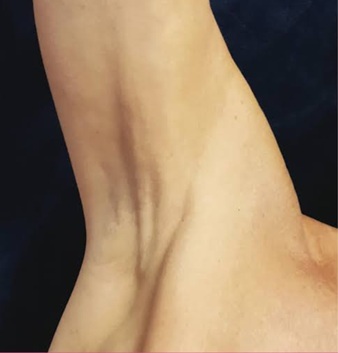
- Axillary web syndrome (cording): tight, cord-like structures can develop through the armpit and sometimes extend down the arm or into the chest wall.
- Pain or altered sensation: including numbness, hypersensitivity, pulling, burning or nerve-related symptoms.
- Weakness and deconditioning: after surgery and other cancer treatments, strength and confidence with exercise can reduce.
- Lymphoedema or swelling: lymph node surgery and radiotherapy can affect lymphatic drainage and increase the risk of swelling in the breast, chest wall, arm or hand.
- Abdominal tightness and weakness following DIEP reconstruction: recovery involves both the breast and the abdominal donor site, so rehabilitation needs to consider both areas.
These changes can affect everyday things such as getting dressed, sleeping comfortably, driving, lifting, exercising or simply reaching into a cupboard.
How can physiotherapy help after breast cancer surgery?
Recovery isn't just about waiting for tissues to heal. It's also about gradually restoring movement, strength and confidence while respecting the surgery you've had.
Your physiotherapist will assess how your shoulder, chest wall and surrounding tissues are moving, as well as your strength, scars and any areas of pain or sensitivity. Following reconstruction, we'll also consider the donor site and how your whole body is moving. From there, we'll build your rehabilitation around your individual recovery rather than simply giving you a standard set of post-operative exercises.
What might your treatment involve?
Depending on your surgery, symptoms and stage of healing, your treatment may include:
- Shoulder and upper-body rehabilitation: restoring comfortable shoulder movement before progressively rebuilding strength for everyday activities, work and exercise.
- Hands-on treatment: gentle manual and soft tissue techniques can help address areas of stiffness and restriction around the shoulder, chest wall and surrounding tissues alongside your rehabilitation programme.
- Specialist scar therapy: once your wounds are sufficiently healed, scar massage, fascial techniques and self-management advice can help improve scar mobility, sensitivity and restriction.
- Treatment for cording: targeted movement, stretching and appropriate manual therapy can help restore movement where axillary web syndrome is causing pain or restriction.
- Rehabilitation after DIEP reconstruction: gradually restoring abdominal mobility and strength alongside shoulder and upper-body recovery, while respecting healing at both surgical sites.
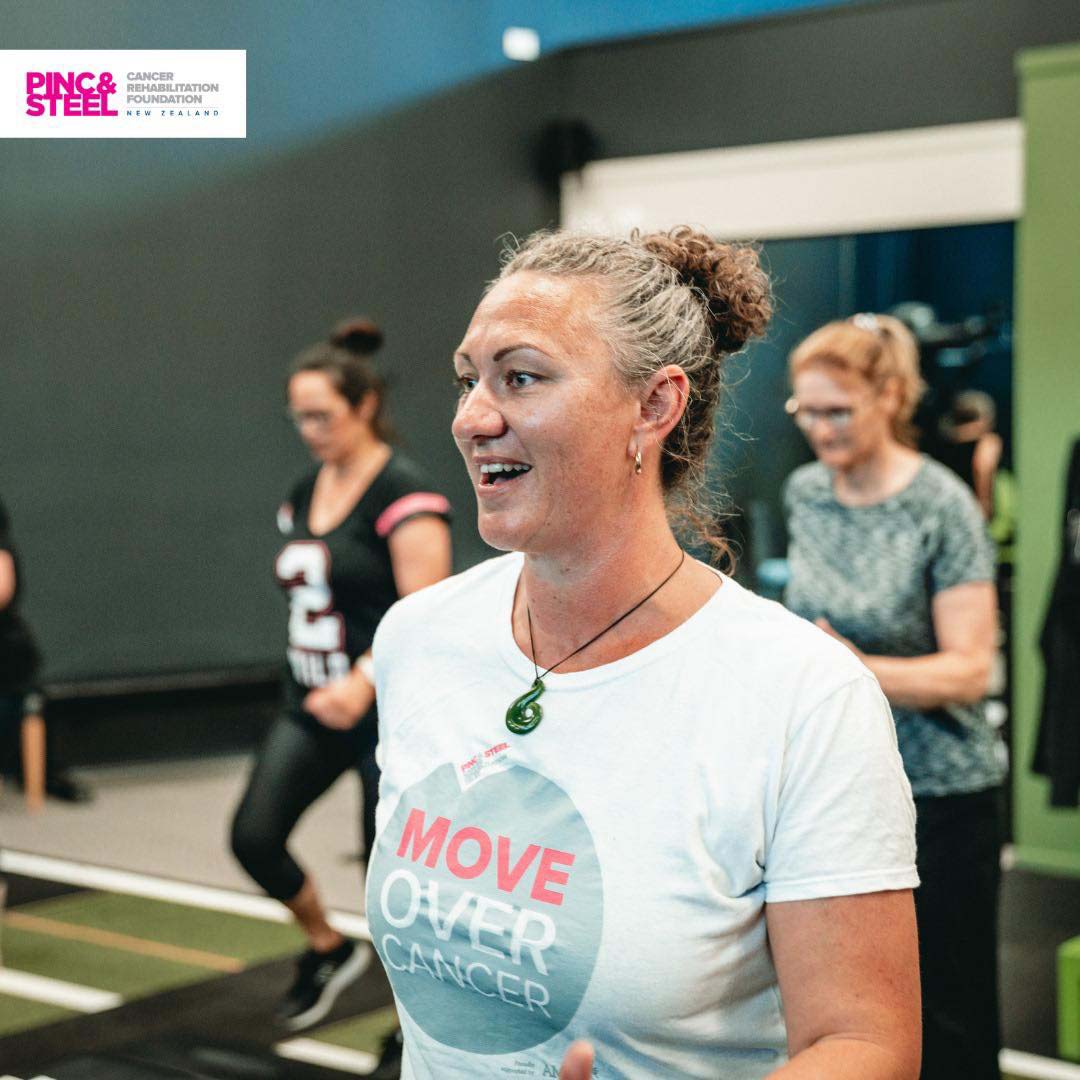
- Progressive strengthening: rebuilding strength safely after surgery and helping you return to lifting, work, the gym, sport or whatever is important to you.
- Lymphoedema awareness and exercise guidance: helping you understand your individual risk, recognise potential symptoms and return to activity progressively and confidently.
- Pain and sensitivity management: treatment and education to help with persistent pain, altered sensation, sensitivity and confidence with movement.
- A clear return-to-activity plan: helping you understand what you can do now, what needs to wait and how to progress without feeling that you have to navigate recovery alone.
Our aim isn't simply to restore a certain number of degrees of shoulder movement. It's to help you feel comfortable and confident using your body again.
Breast Cancer Surgery Physiotherapy FAQs
When should I start physiotherapy after breast cancer surgery?
Gentle movement usually begins early after breast cancer surgery, following the guidance given by your surgical team. The timing of more specific physiotherapy treatment depends on your procedure, wound healing and whether you've had reconstruction.
We can assess where you are in your recovery and adapt treatment accordingly. You don't need to wait until your shoulder becomes very stiff before seeking help.
Can physiotherapy help after a mastectomy?
Yes. Physiotherapy can help with problems such as shoulder stiffness, chest wall tightness, scar restriction, weakness, cording and difficulty returning to normal activity following a mastectomy.
Treatment is tailored to your stage of healing and whether you've also had lymph node surgery or reconstruction.
Can physiotherapy help after a lumpectomy?
Yes. Although a lumpectomy is a less extensive operation than a mastectomy, you can still experience scar restriction, breast or chest tightness, shoulder stiffness, cording or discomfort — particularly when surgery includes a sentinel lymph node biopsy or is followed by radiotherapy.
What is cording after breast cancer surgery?
Cording, also called axillary web syndrome, is the development of tight, rope-like bands under the skin after breast or underarm surgery. You may feel or see one or more cords running from the armpit down the inner arm, and sometimes towards the chest wall.
It isn't fully understood why cording happens, but it is thought that surgery irritates the connective tissue surrounding the small blood vessels, lymph vessels and nerves in the underarm. This can cause inflammation and scarring, and the tissue becomes tight and hardens. The tightness can then spread along the tissue fibres, forming cords.
Cording can cause pulling or pain when you lift your arm and may restrict shoulder movement. It often improves over time, and physiotherapy can help with appropriate stretching, movement and manual treatment.
Can you treat breast cancer surgery scars?
Yes. Once the wound has healed sufficiently, specialist scar therapy can help address areas of tightness, sensitivity and reduced mobility around surgical scars.
We can also teach you how to safely work with your scar yourself between appointments.
How is rehabilitation different after DIEP flap reconstruction?
DIEP reconstruction involves surgery to both the breast and abdomen, so rehabilitation needs to consider both areas.
Early rehabilitation focuses on comfortable movement and gradually restoring your normal posture and mobility. As healing progresses, treatment can address scar and soft-tissue restriction and progressively rebuild abdominal, upper-body and whole-body strength. Your programme is progressed according to your stage of healing and your surgical team's guidance.
Is it safe to exercise after lymph node removal or sentinel lymph node biopsy?
Exercise is an important part of recovery after breast cancer treatment. Having lymph nodes removed does not mean you need to avoid using or strengthening your arm indefinitely.
The key is to return to exercise progressively, taking account of your surgery, current strength and any signs of swelling or lymphoedema. Your oncology physiotherapist will be able to make recommendations and guide you through this process.
What if my breast cancer surgery was months or years ago?
It's not too late to seek help. Some people continue to experience shoulder restriction, scar tightness, weakness or pain long after their cancer treatment has finished.
Physiotherapy can assess what is contributing to your symptoms now and whether treatment and rehabilitation could still improve your movement and function.
Do I need a referral for oncology physiotherapy?
No. You can book directly with Trinity Physiotherapy without a GP or consultant referral.
We'll take a detailed history of your diagnosis and treatment before assessing you. If anything requires further medical or lymphoedema assessment, we'll advise you appropriately.
Feel More Like Yourself Again After Breast Cancer Surgery
Whether you're recovering from recent surgery or still dealing with tightness, weakness or restricted movement months or years later, specialist oncology physiotherapy can help you move forward with greater comfort and confidence. We'll meet you where you are in your recovery and build a treatment and rehabilitation plan around your surgery, your body and the things you want to get back to.